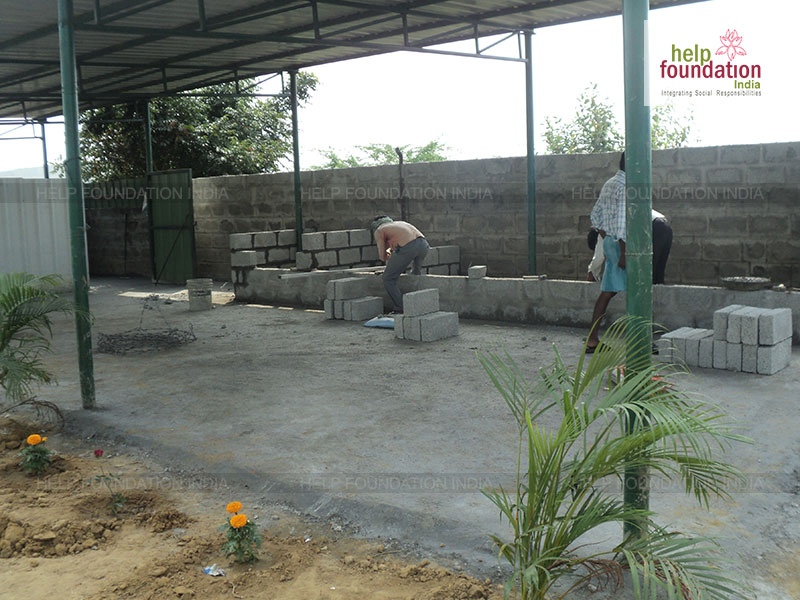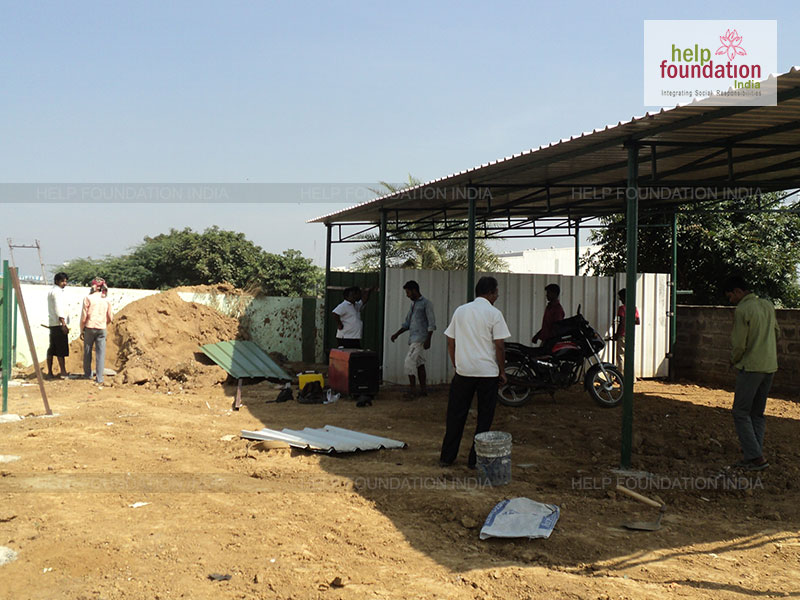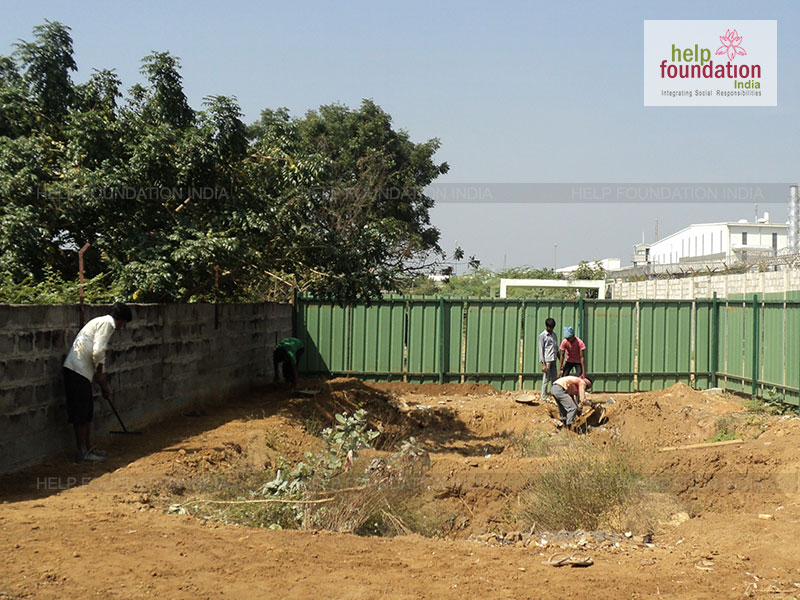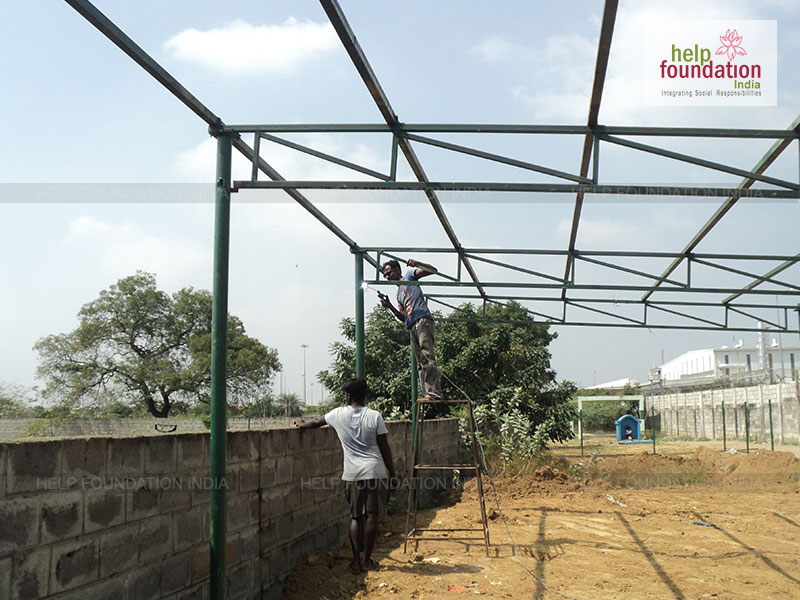
Solid Waste Management Activities
Prabhat Solid Waste Management Project
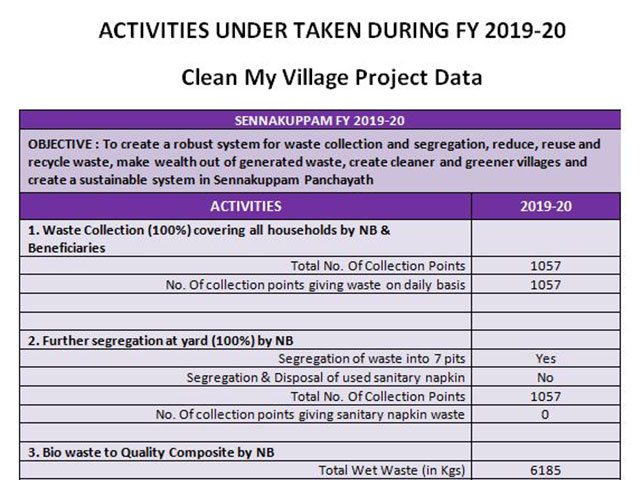
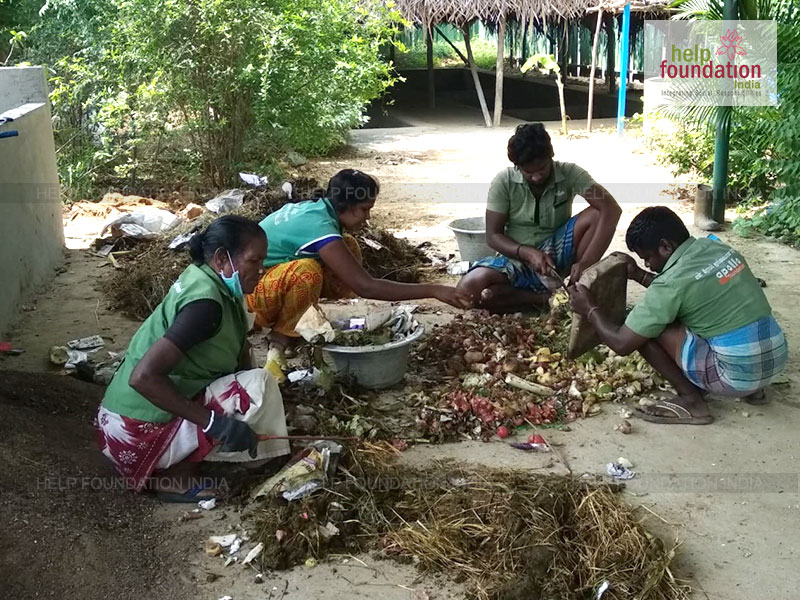
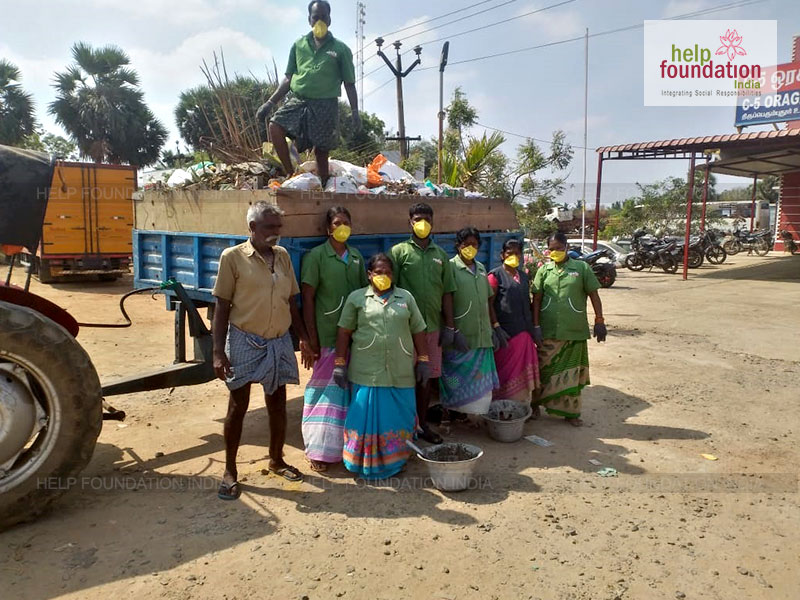
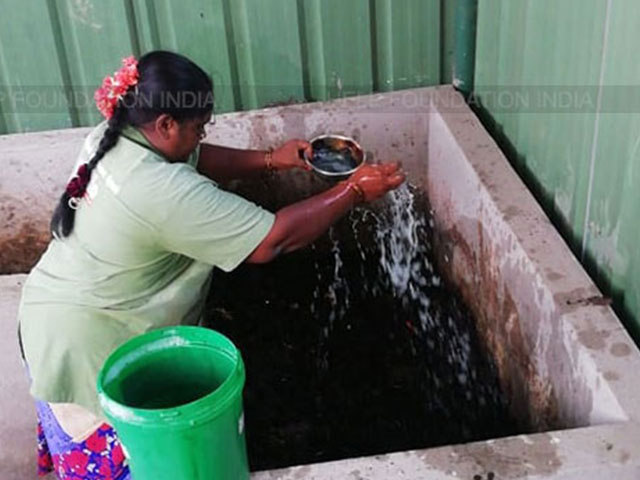
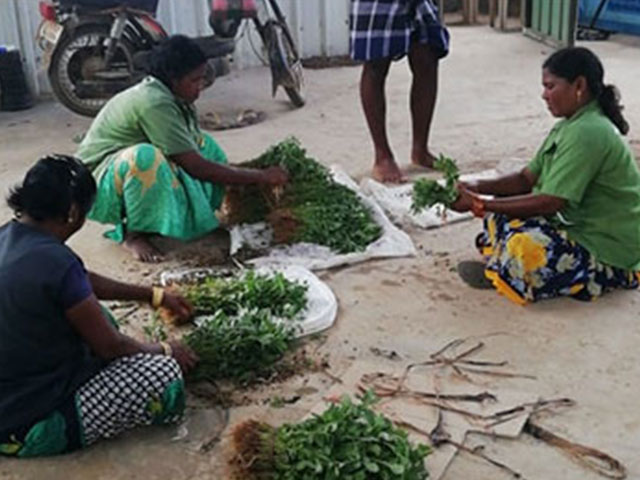
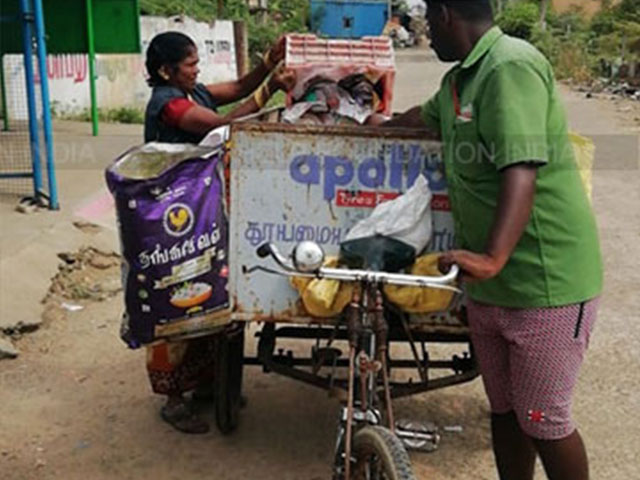
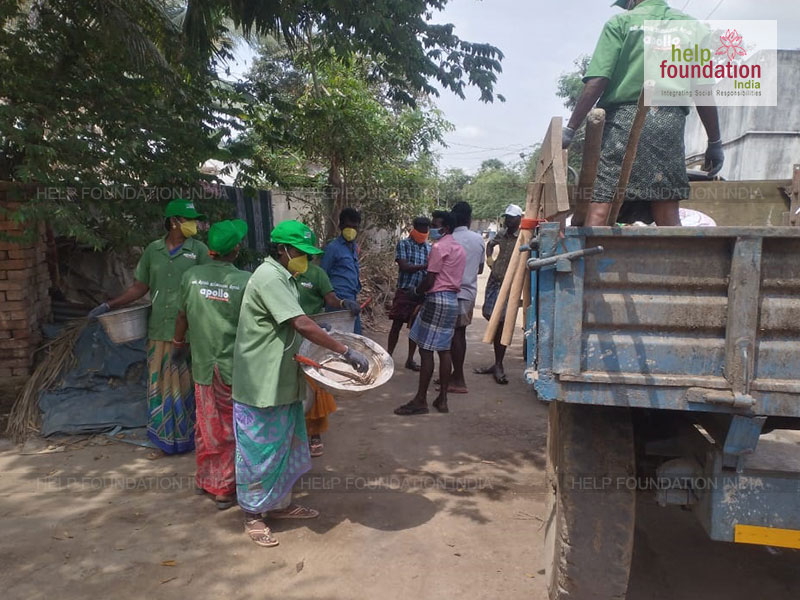
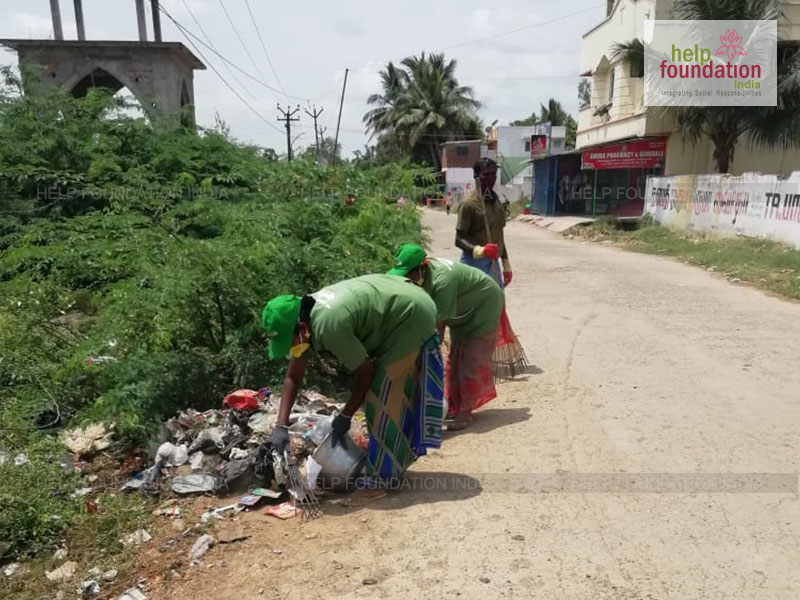
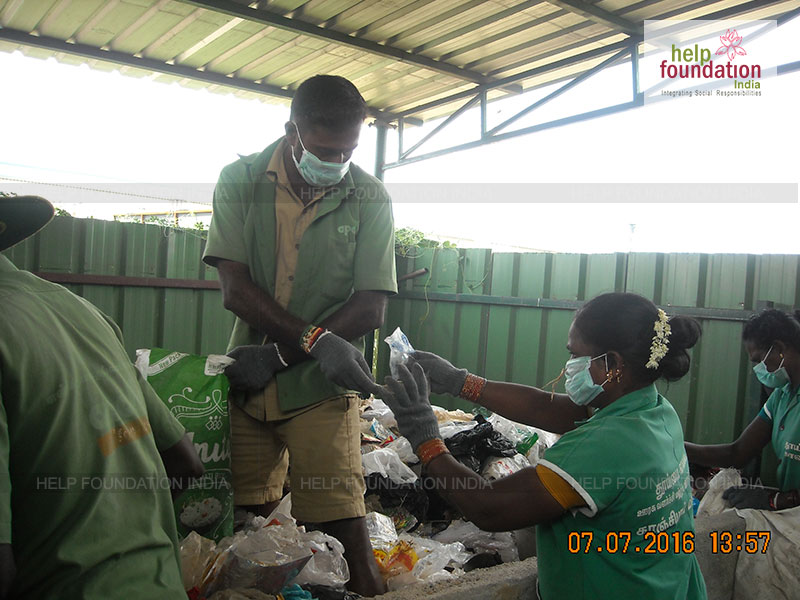
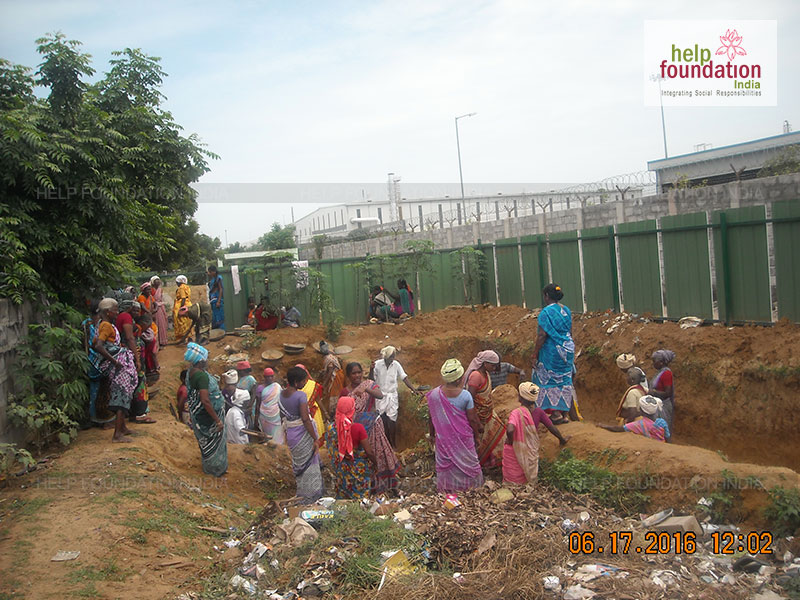
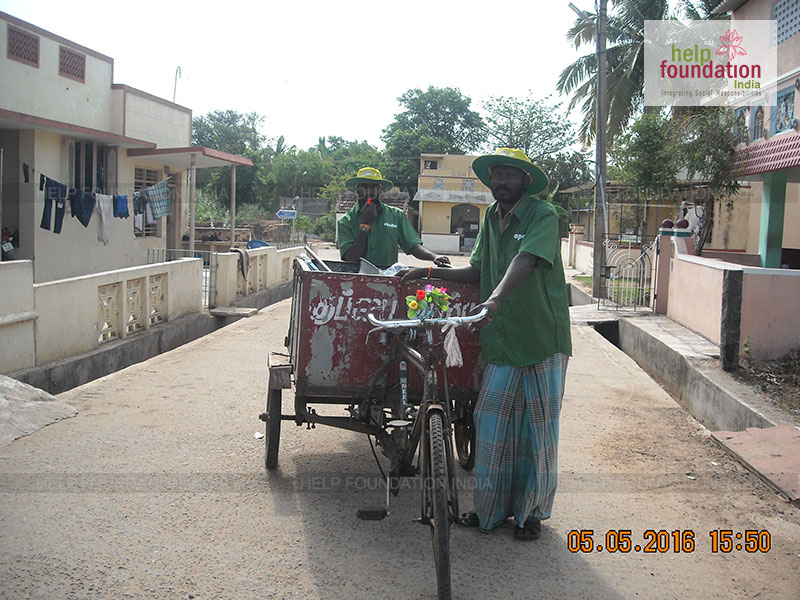
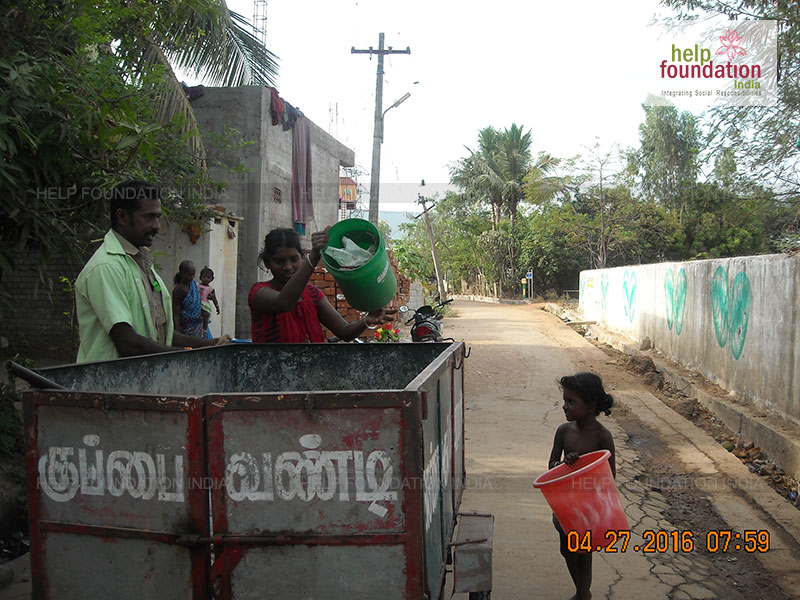
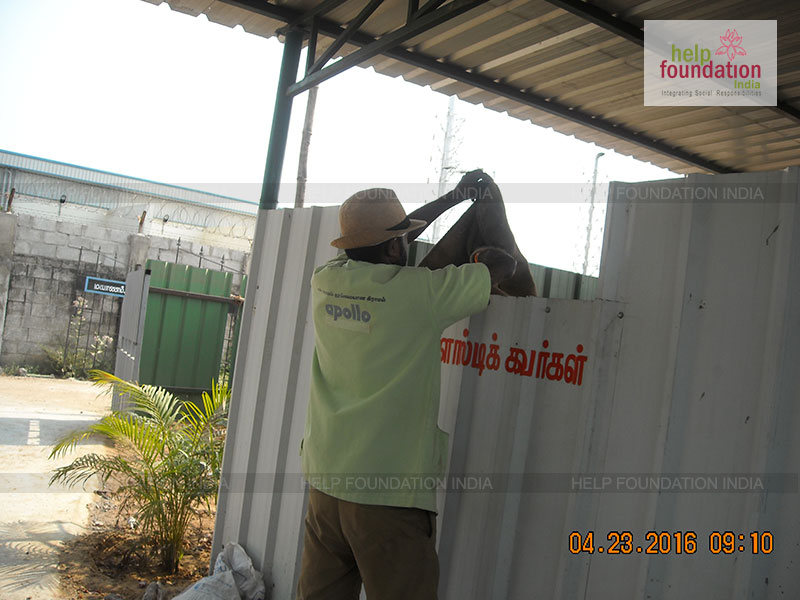
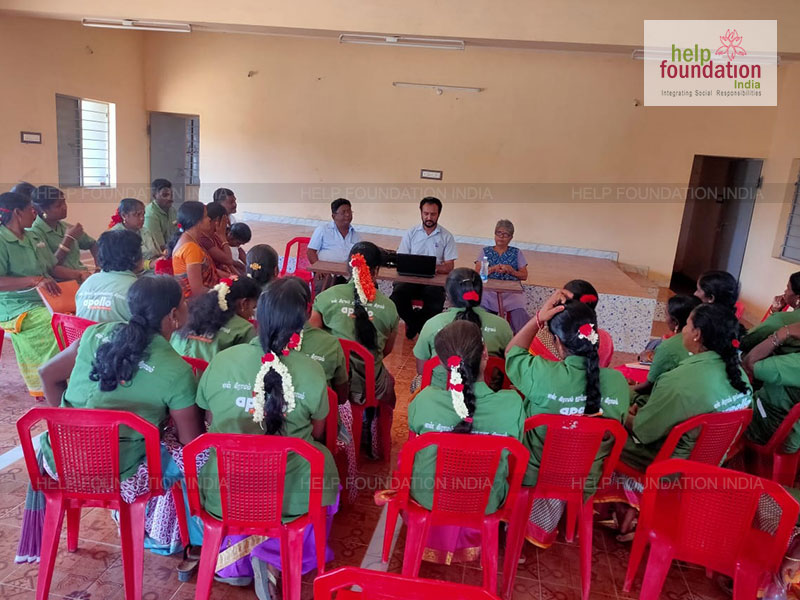
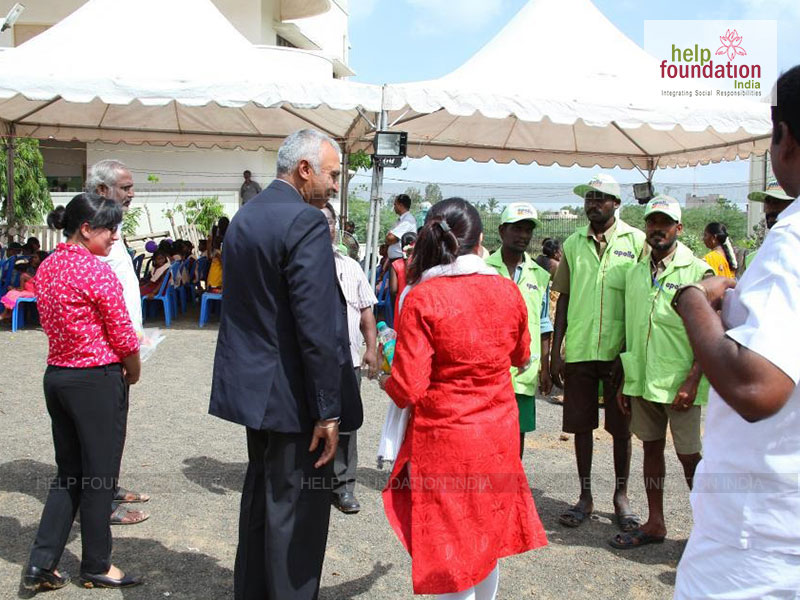
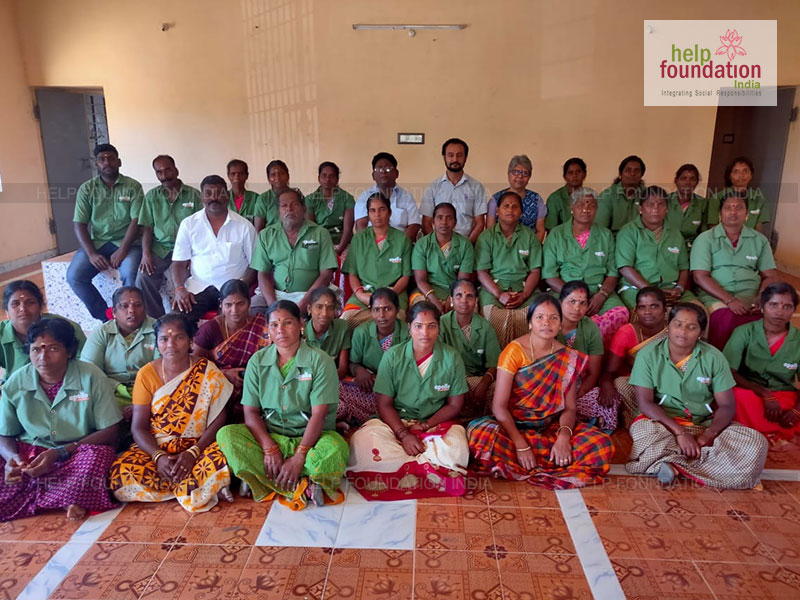
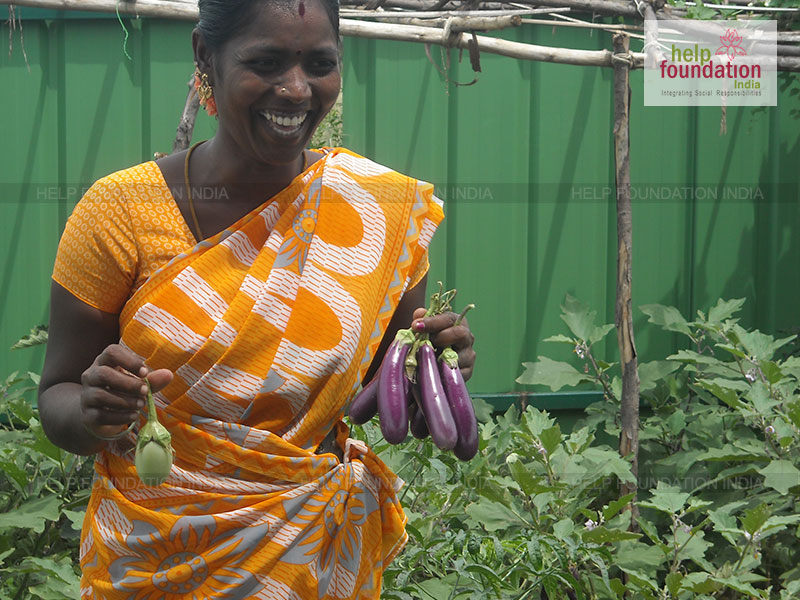
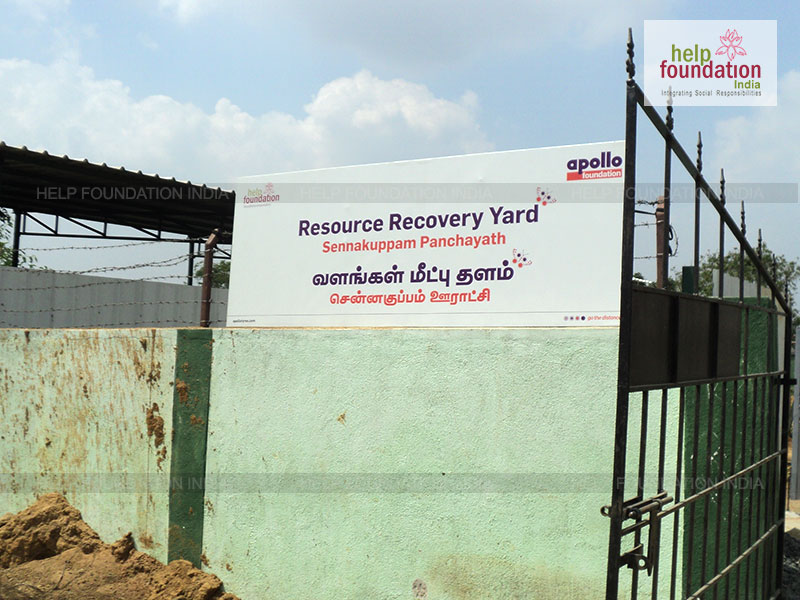
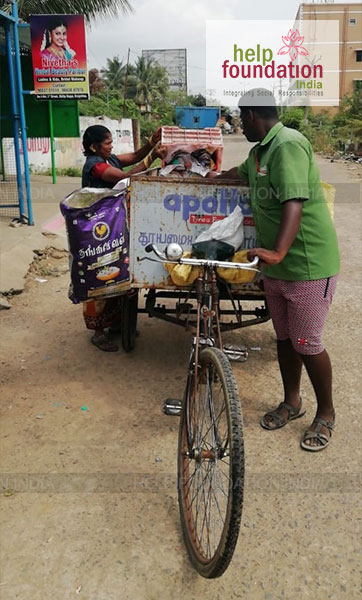
Building Clean and Healthy Villages is an initiative by Help Foundation India, supported by Hindustan Unilever Ltd., to tackle waste management issues like open dumping, garbage burning, and unhygienic conditions. Launched in 2021 in Puducherry and 2023 in Rajahmundry, the Prabhat Solid Waste Management Project serves 17,300+ households across Mangalam, Pallithennal, Ariyur, Dowleswaram, and Rajavolu, benefiting over 1.13 lakh people. Daily door-to- door waste collection using battery-operated vehicles, household-level segregation, composting, and plastic recycling have significantly reduced pollution and improved hygiene. Community engagement through awareness drives, school wall art, and women-led kitchen gardens has strengthened public participation, while local youth employment has boosted livelihoods. This model is transforming villages into cleaner, healthier, and more sustainable communities.
Food Waste to Biogas: Powering Healthy Meals for Children
As an extension of our project, we have installed two biogas plants at the Anganwadi Centre in Ariyur, Puducherry, and two plants in schools at Dowleswaram, Rajahmundry, to transform organic waste from respective village households into clean cooking fuel for the noon meals of 860 children. The food waste collected from the respective villages is fed into continuous-feed anaerobic digesters, with each unit capable of processing up to 100 kg of waste daily and producing 5-7 m3 of biogas-enough to meet regular cooking needs-while generating nutrient-rich bio-slurry for use as fertilizer. By reducing landfill waste, lowering fuel costs, and cutting carbon emissions, this initiative demonstrates a practical, scalable waste-to-energy model that promotes cleaner environments, sustainable energy use, and improved community health.
Built Toilet Using Upcycled Plastic Bricks
We are turning plastic waste into durable, eco- friendly toilets-an innovation that brings together improved sanitation and environmental protection.
Plastic waste collected from our project villages-including bottles, multi-layered packaging (MLP), and carry bags—is carefully cleaned, shredded, and blended with other reinforcing materials to produce strong, long- lasting bricks. So far, this process has repurposed over 200 kg of plastic, keeping it out of landfills, open dumps, and waterways, thereby preventing pollution and reducing the harmful impacts of unmanaged plastic on the environment.
These eco-toilets are assembled at our processing yard as demonstration models for villagers, showcasing how discarded waste can be transformed into value-added products that meet community needs while promoting sustainability.
Turning Plastic Waste into Roads: A Model for Sustainable Infrastructure
To promote sustainable waste management and eco-friendly infrastructure, a 483-meter plastic waste road has been laid in Thiruchendur Murugan Nagar, Mangalam Village, Puducherry, using recycled plastic materials. Non-recyclable dry waste-such as Multi-Layer Plastic, carry bags, and packaging-collected from households was cleaned, shredded, and incorporated into the road construction process. This innovation not only diverts plastic waste from landfills and open burning but also enhances road durability and reduces maintenance requirements. Serving as a model initiative, it demonstrates how waste can be transformed into a valuable resource, quite literally paving the way towards cleaner, greener, and more resilient communities.
Wet waste into Organic Manure - Green Space to Improving Air Quality
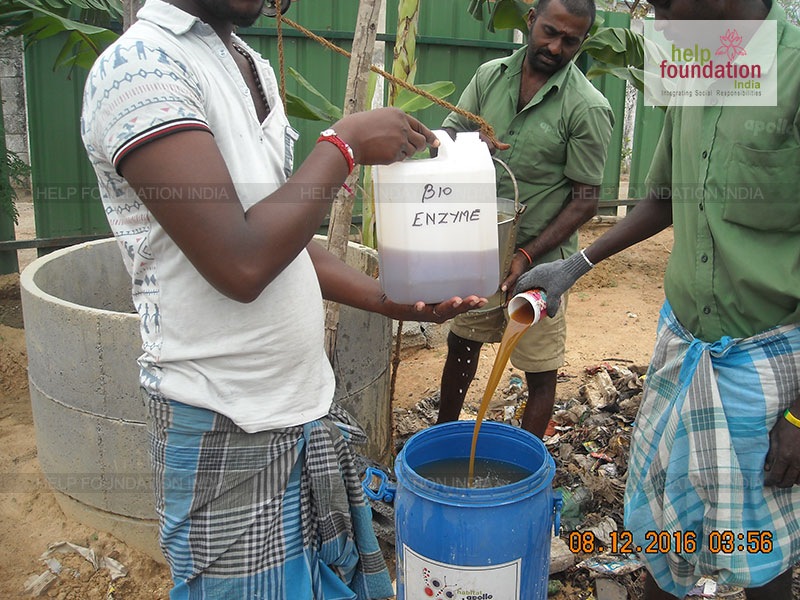
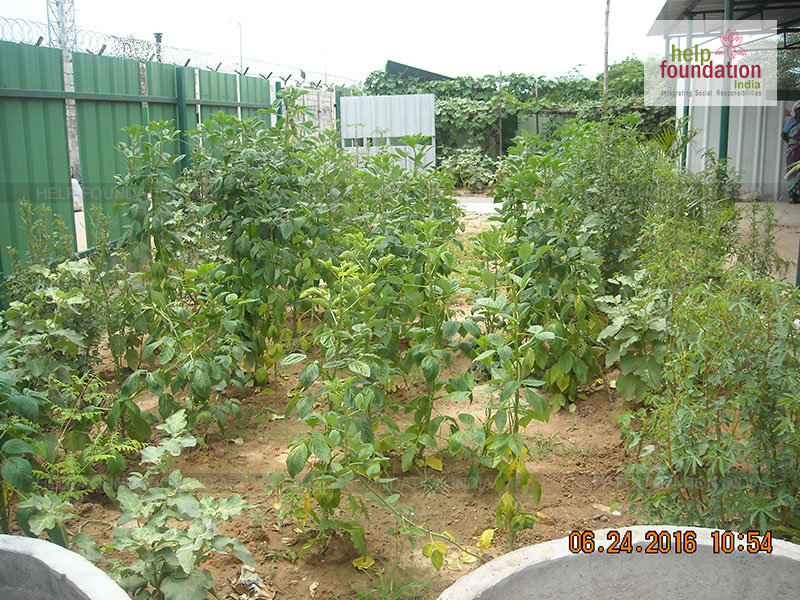
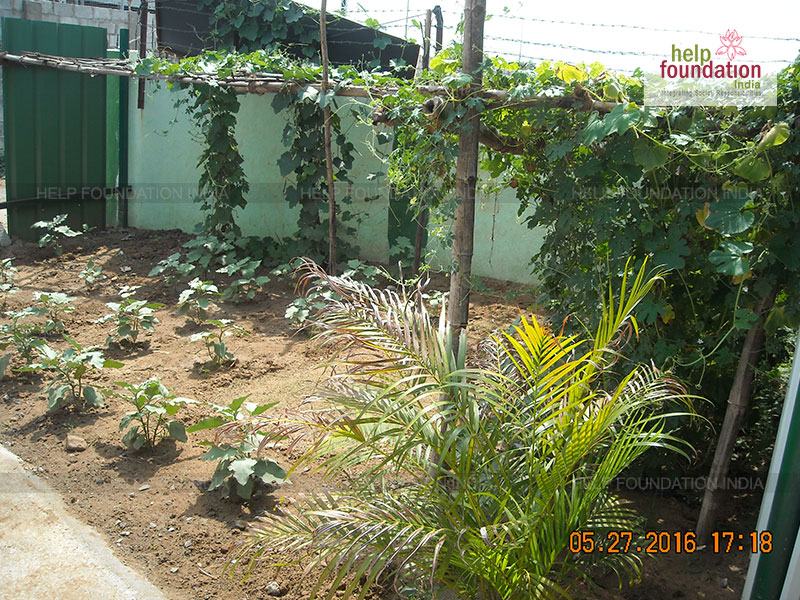
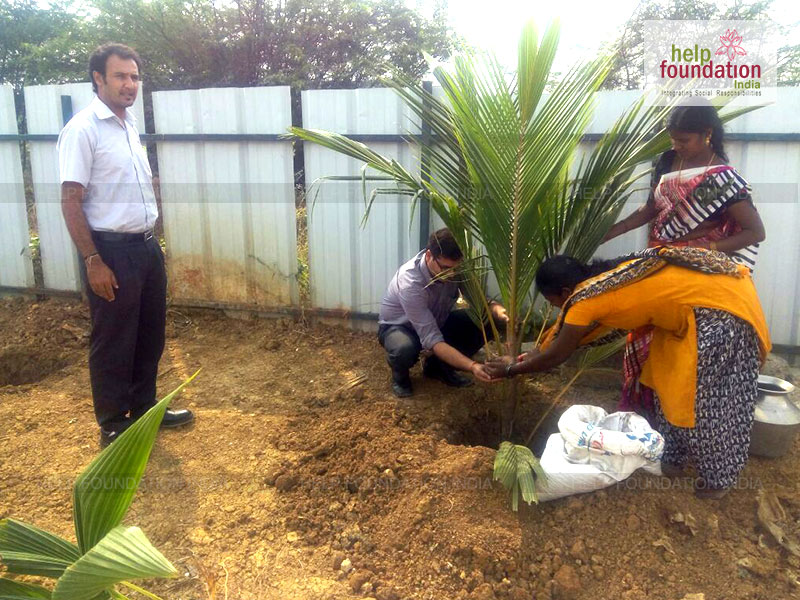
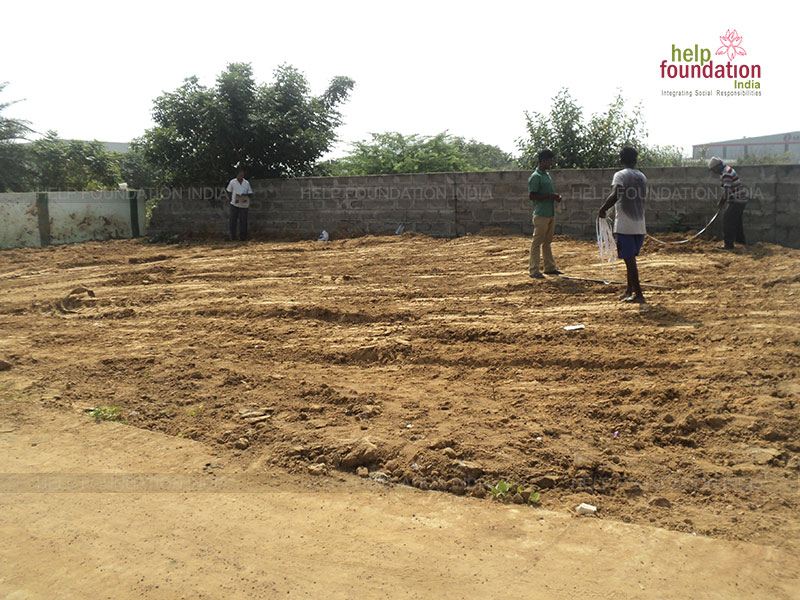
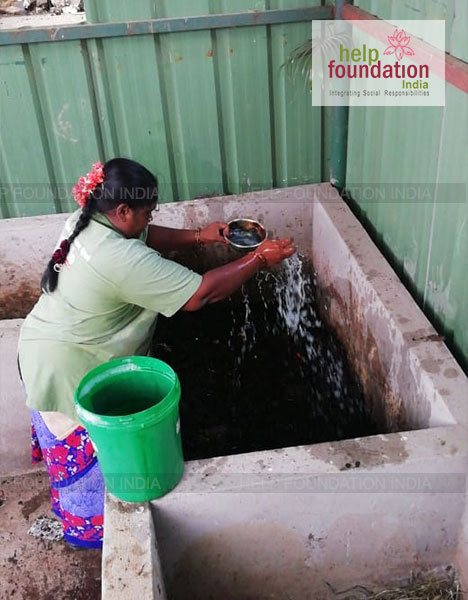
As part of the Prabhat Solid Waste Management Project, Help Foundation India developed a 3,000 sq.ft. community green space, planting 100 carbon-absorbing tree saplings to improve air quality and support climate resilience. The space is fenced and jointly maintained with active community participation, fostering shared responsibility for the environment. The saplings are nourished with nutrient-rich compost made from wet waste collected through our waste management system—creating a sustainable loop from waste to greenery. This initiative not only beautifies the community but also demonstrates how collective action can build a cleaner, greener future.